Medical
  • Research and White Papers
  • October 2026

RGA Brief: World’s First Cell Therapy Against GVHD

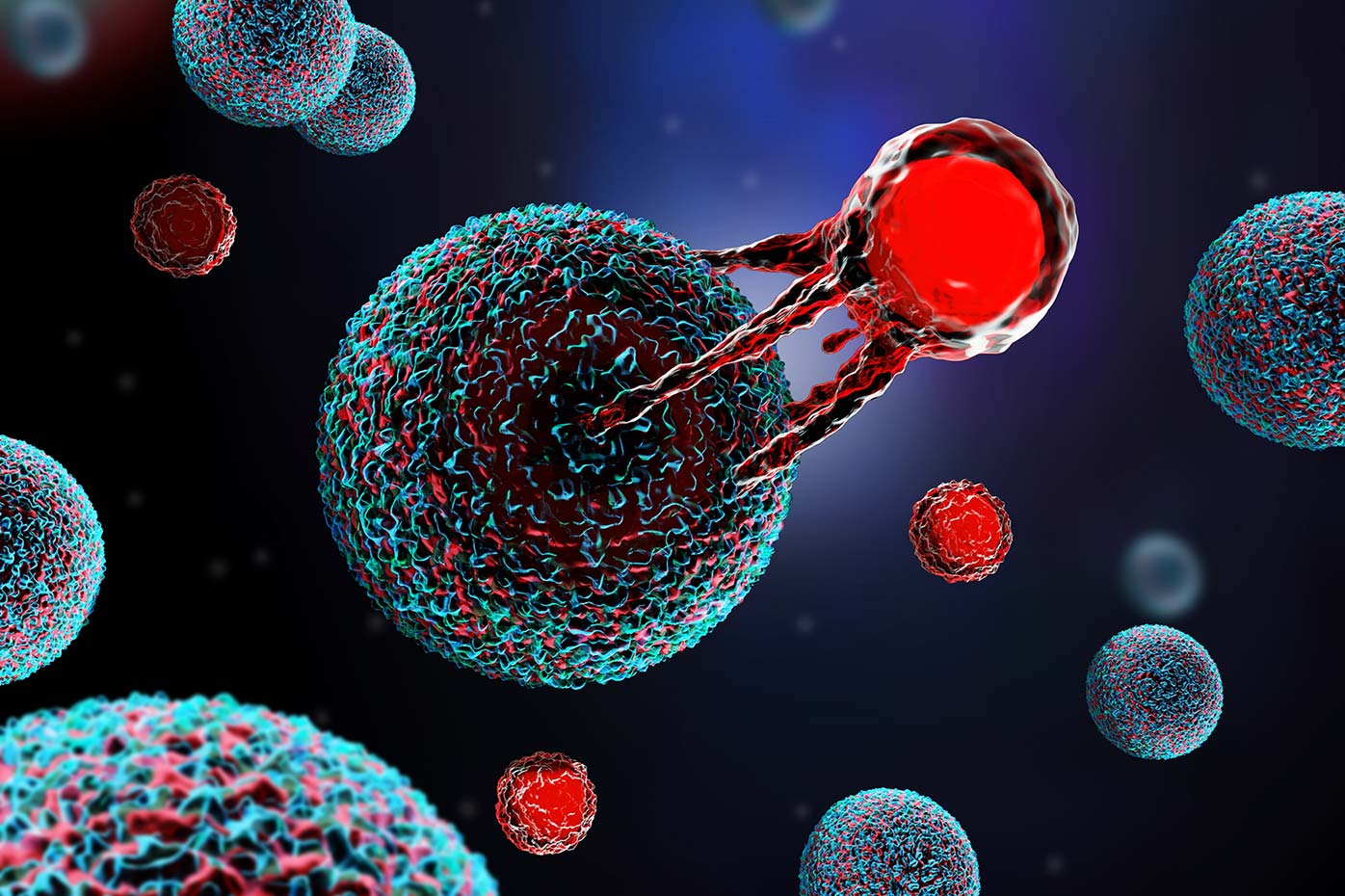
Cancer T-cells
In Brief

This article, from RGA’s ReFlections, discusses how the FDA’s approval of TREGZI highlights the rapid evolution of cell-based therapies beyond cancer treatment and how engineered immune-cell approaches are being used to address serious complications associated with stem cell transplantation.

Key takeaways

  • TREGZI is the first FDA-approved regulatory T-cell therapy designed to prevent chronic graft-versus-host disease (GVHD) in high-risk blood cancer patients undergoing allogeneic stem cell transplantation, marking a significant advancement in cellular therapy and transplant medicine.
  • Clinical trial results demonstrated substantially improved outcomes, with 78% of TREGZI-treated patients alive and free from moderate to severe chronic GVHD after one year, compared with 38.4% of patients receiving standard transplantation protocols.
  • While TREGZI's specialized manufacturing process is expected to increase upfront treatment costs, its potential to reduce chronic GVHD complications, hospitalizations, long-term immunosuppression, and post-transplant mortality could create meaningful long-term value for both health and life insurers.


TREGZI is intended for patients with hematologic malignancies – such as acute leukemia and high-risk myelodysplastic syndrome – who require donor stem cell transplantation. While transplantation can be curative, a dreaded complication is chronic GVHD, in which donor immune cells attack the recipient’s tissues, leading to potentially severe and long-lasting organ damage, disability, and even death.

The therapy consists of three donor-derived cellular components: hematopoietic stem and progenitor cells (HSPCs), Tregs, and conventional T-cells. Tregs play a key role in controlling immune responses and maintaining immune tolerance. By introducing these cells in a carefully engineered composition, TREGZI aims to substantially reduce the risk of chronic GVHD while the patient’s immune system rebuilds.

Woamn sitting and reflecting on rock near water
Explore ReFlections, the industry's premier medical underwriting publication, to learn more about key medical issues impacting the insurance industry.

The FDA approval was supported by results from a randomized clinical trial involving 187 patients. At one year, 78% of patients treated with TREGZI were alive and free from moderate to severe chronic GVHD, compared with 38.4% of patients receiving the standard transplantation protocol.

For health insurers, TREGZI may increase upfront treatment costs due to its highly specialized cellular manufacturing process but could generate substantial downstream savings by reducing chronic GVHD, hospitalizations, long-term immunosuppressive therapy, and disability-related expenses. TREGZI is expected to cost $428,000 as a one-off treatment.

For life insurers, improved transplant outcomes could potentially translate into better long-term survival and lower post-transplant mortality among eligible blood cancer patients. Nevertheless, insurers will need to monitor real-world outcomes, durability of benefit, evolving treatment costs, and market adoption before adjusting assumptions.


More Like This...

Meet the Authors & Experts

Dr. Steve Woh
Author
Dr. Steve Woh
Vice President, Global Medical Director

References

https://www.nature.com/articles/d41573-026-00119-0