Medical
  • Research and White Papers
  • February 2026

RGA Brief: AI Versus Superbug

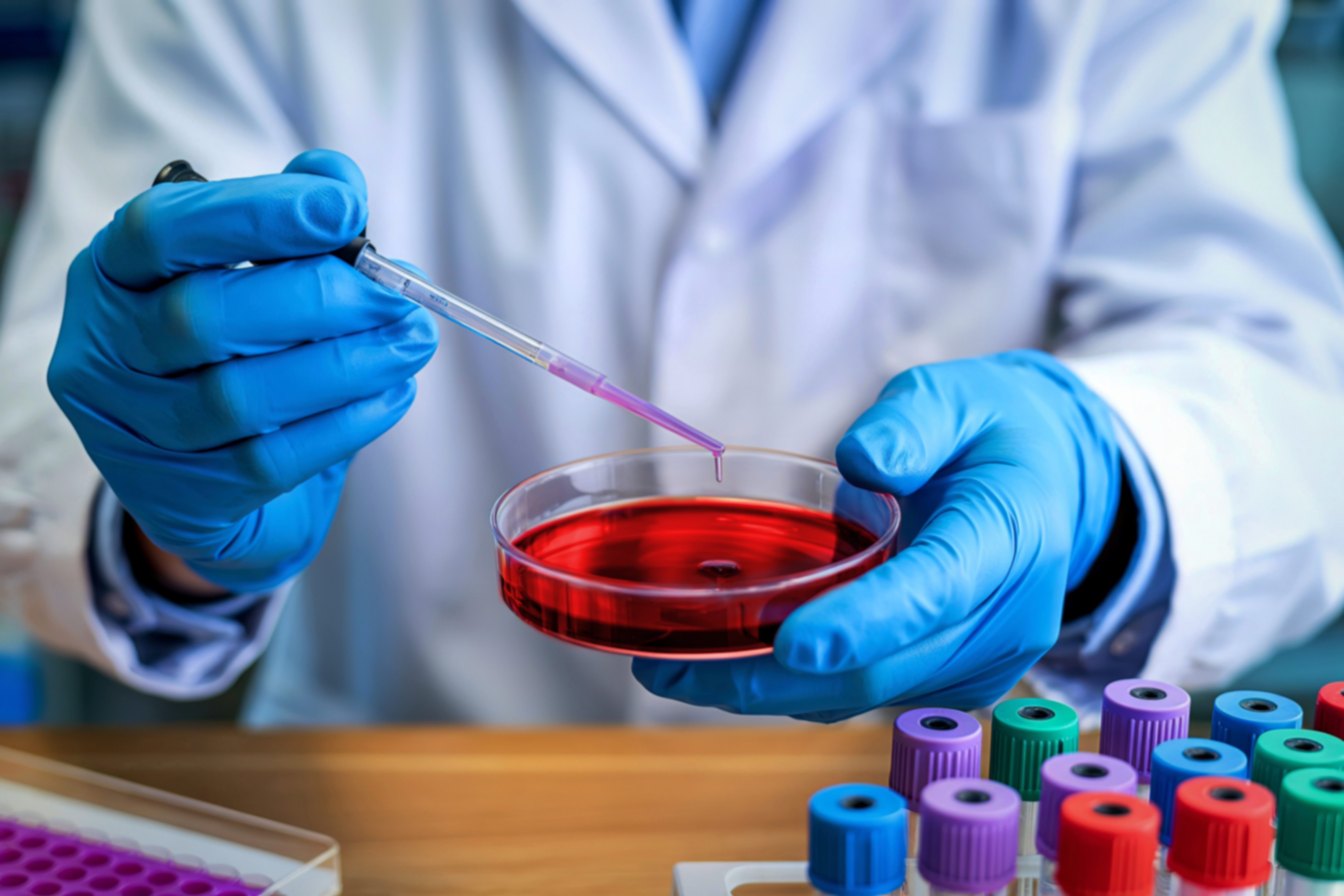
Lab culture
In Brief

This article, from RGA's ReFlections newsletter, examines how antimicrobial resistance is emerging as a major global threat, prompting large-scale AI-driven research efforts aimed at accelerating new treatment discoveries and improving public health defenses.

Key takeaways

  • Antimicrobial resistance (AMR) is accelerating globally, with antibiotic‑resistant infections rising sharply and projected to cause over 8 million deaths annually by 2050, driving significant healthcare and insurance impacts.
  • GlaxoSmithKline and the Fleming Initiative are leveraging advanced AI through six research themes to accelerate discovery of new treatments, improve surveillance, optimize antibiotic use, and inform global health policies.
  • AMR increases insurer exposure through longer hospitalizations, higher treatment costs, and elevated mortality risk, making it essential for insurers to update underwriting assumptions and prepare for shifts driven by precision medicine and AI-enabled breakthroughs.


In response, GlaxoSmithKline (GSK) and the Fleming Initiative have launched major research programs covering six themes by leveraging advanced artificial intelligence (AI) to accelerate solutions. Dubbed “Grand Challenges,” these initiatives seek to:

  • Discover new antibiotics for resistant Gram-negative bacteria, which are among the hardest to treat.
  • Develop therapies for resistant fungal infections such as Aspergillus.
  • Model immune responses to pathogens such as methicillin-resistant Staphylococcus aureus (MRSA) to inform vaccine development.
  • Use AI-driven surveillance to predict resistance patterns.
  • Optimize antibiotic use.
  • Apply data and insights to inform policies, engage the public, and support coordinated action.
Man standing on paddleboard in lake
Explore ReFlections, the industry's premier medical underwriting publication, to learn more about key medical issues impacting the insurance industry.

By combining supercomputing power with molecular data, these initiatives seek to break through long-standing scientific barriers and make critical datasets globally accessible, potentially transforming infection prevention and treatment strategies.

For insurers, AMR drives higher claims through prolonged ICU stays, costly therapies, and increased mortality risk. Left unchecked, it could significantly raise life insurance death benefits and health coverage payouts.

AI-enabled breakthroughs offer the potential to curb these trends by reducing treatment failures, improving patient survival, and shortening hospitalizations – all of which directly benefit health insurers.

Insurers should also revisit underwriting assumptions and pricing for health, critical illness, and even life coverage as predictive modelling and precision medicine reshape risk profiles.

As AMR research accelerates, insurers that anticipate these shifts will be better positioned to manage emerging risks and align products with evolving healthcare standards.


More Like This...

Meet the Authors & Experts

Dr. Steve Woh
Author
Dr. Steve Woh
Vice President, Global Medical Director

References

GSK and Fleming Initiative scientists unite to target AMR with advanced AI | GSK https://www.gsk.com/en-gb/media/press-releases/gsk-and-fleming-initiative-scientists-unite-to-target-amr-with-advanced-ai/